
When it comes to making sourdough, there are a lot of myths, misinformation, and old wives’ tales out there. Whether it’s the Float Test, or misguided instructions for feeding for your starter, I’m here to debunk some of the most persistent sourdough myths!
Some links in this post may be affiliate links. Read my disclosure policy.
Myth #1: The “Float Test” is a good way to check if your starter is ready to bake with

The idea behind the float test is that you put a blob of starter in a glass of water. If it floats your starter is ready to bake with, and if it sinks it’s not. The fact is, the only thing this proves is that your starter has trapped enough gas to be less dense than water and therefore able to float. This can indicate a bubbly active starter. Though you’d be able to tell that your starter is bubbly and active by simply looking at it. The float test is completely unnecessary.
The real problem is that the float test often produces false negatives. A perfectly active starter might fail the float test even though it’s able to leaven a loaf of bread. This can happen when an active starter is stirred down, which would release much of its trapped gas. Or if you use a lower-gluten flour such as rye to feed your starter with, it might not be able to trap enough gas to make the starter float. In either case, failing the float test isn’t a reliable indication that your starter isn’t ready to bake with. It’s also possible that the float test could give you a false positive result. A weak starter might eventually produce and trap enough gas to make it float. That doesn’t mean it’s strong enough to effectively leaven bread dough. A new starter going through the false rise might also pass the float test, but isn’t safe to bake with.
The verdict: Skip the float test, it’s unreliable.
Myth #2: You should switch to a clean jar with every feeding
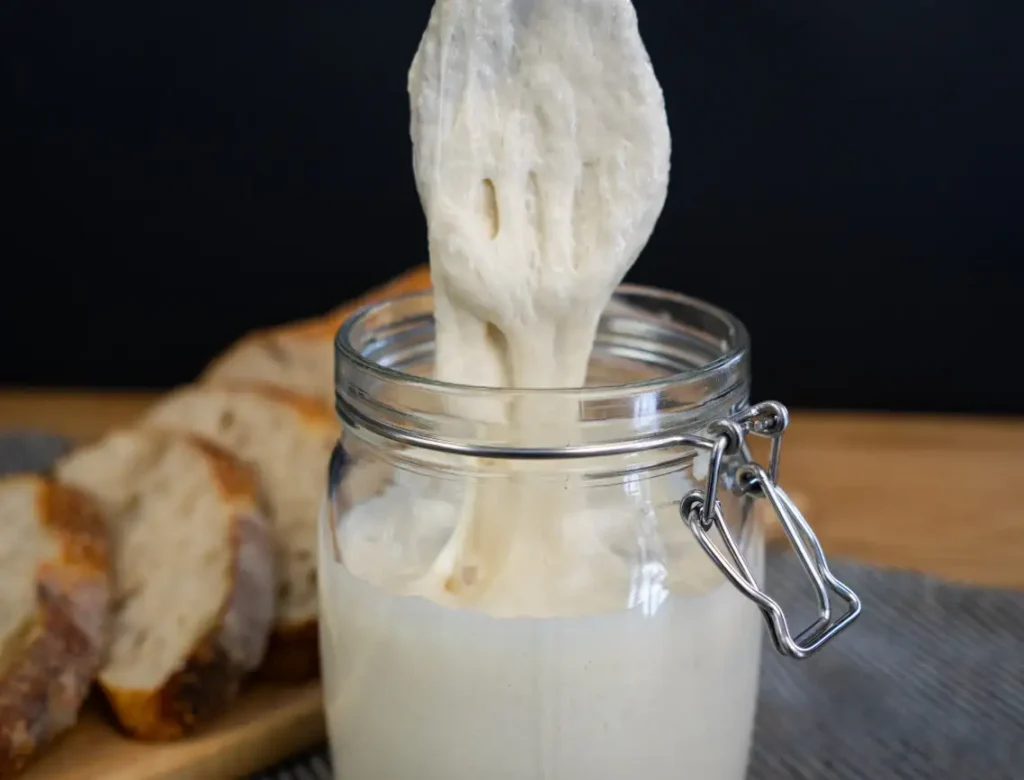
You can switch to a clean jar with every feeding if you want to. Don’t feel like it’s something you have to do, though! Starters can be perfectly happy staying in the same jar for a while. Unless the jar is getting very crusty and it’s difficult to get the jar lid on and off, you can’t see the starter anymore, or it’s becoming difficult to use for any other reason, there’s no real need to switch to a new jar.
The verdict: There’s no need to switch jars with every feeding.
Myth #3: Discarding starter is a waste
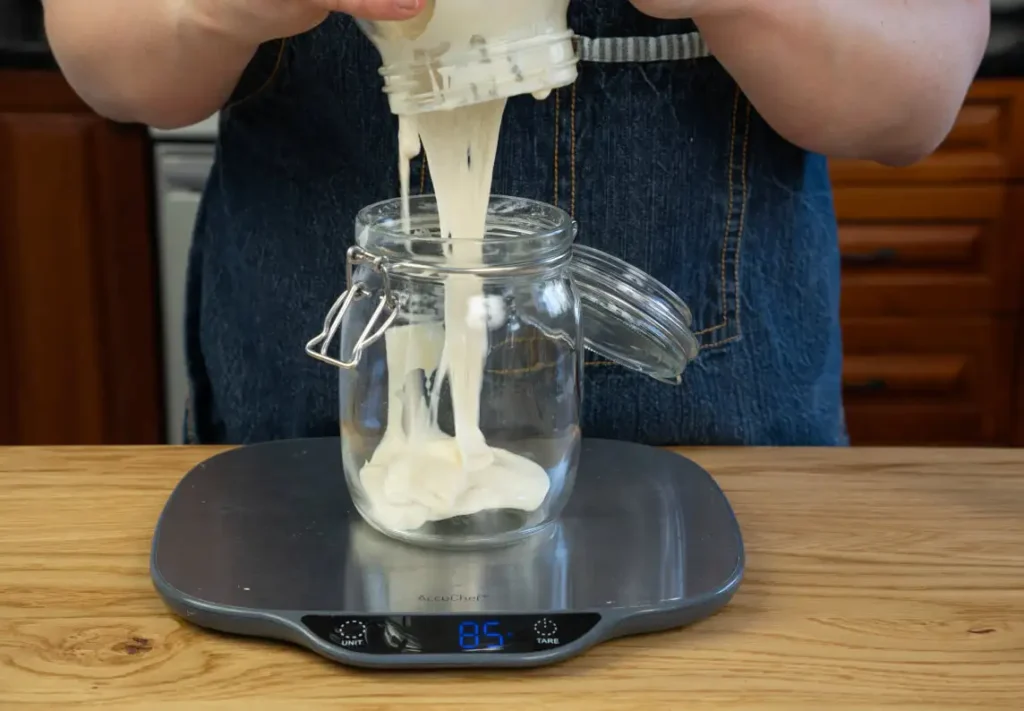
Nothing could be farther from the truth! Regularly removing some starter (whether as discard or to bake bread with) keeps your starter at a reasonable size to maintain. You need to feed your starter at least as much (by weight) in flour and water as the starter remaining in the jar. If you didn’t remove some from the jar before feeding it, it would grow exponentially in size. Before long it would require several kilograms of flour at each feeding.
Verdict: Discarding saves you money, by keeping your starter at a manageable size.
Myth #4: You have to throw stuff away all the time
That’s not exactly right. It’s true that do need to throw the discard out while you’re making a new starter from scratch. But once your starter is established you can save your discard for making delicious sourdough discard recipes! Also, if you bake often enough you don’t really need to discard per se. Just keep enough starter on hand to bake with, plus a little bit left in the jar. When you take out what you need to bake with, you feed to replace what you took for baking.
Verdict: After your starter is established, you can save your discard to bake with.
Myth #5: You need to keep a lot of starter on hand
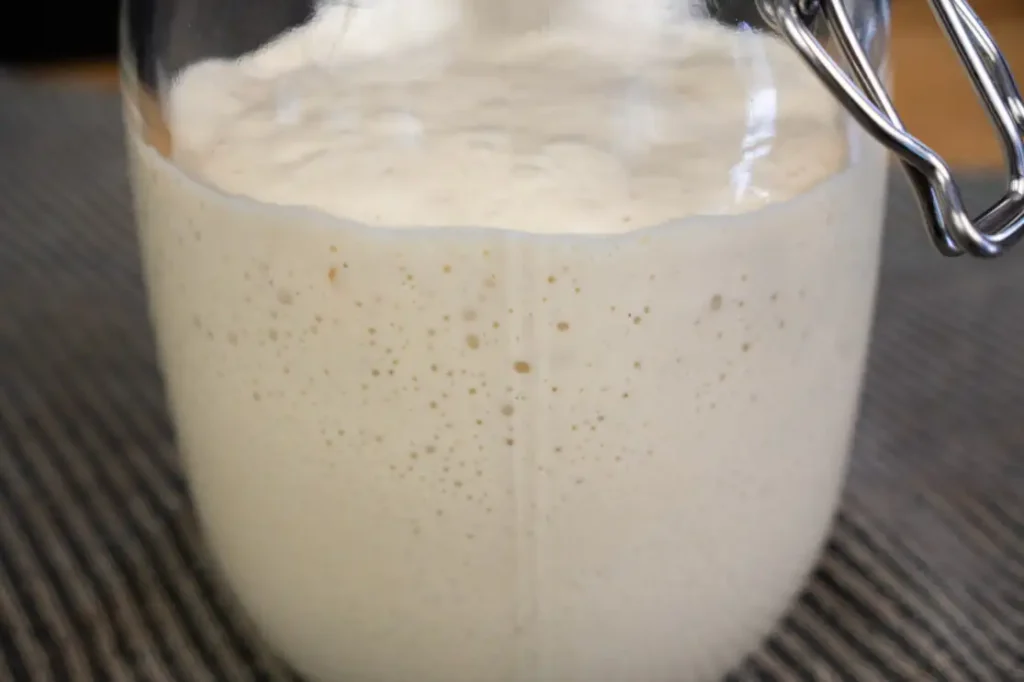
Unless you make large quantities of sourdough bread daily, there’s really no need to maintain a large starter. That just takes up more space than necessary, and more flour and effort to feed. Keep enough for the sourdough recipes you like to make. Then feed it to replace what you took out to bake with. Do you sometimes make big batches of bread? You can easily turn a small starter into a big one by simply giving your starter a big feed.
Verdict: You can keep just enough starter on hand for your baking needs.
Myth #6: Starters need a lot of attention
This is sort-of true in the beginning when you’re making a starter from scratch. Though even then it’s just 5 minutes of work per day. Once your starter is established you can leave it in the fridge and feed it once or twice per week, if you bake about once a week. If you bake daily, keep it on the counter so it’s always strong and ready to go. It’s easy to adjust your starter maintenance and storage habits to fit sourdough baking into your life and schedule!
Verdict: Starters can be stored in the fridge so you only need to feed them once or twice a week.
Myth #7: Older starters are better
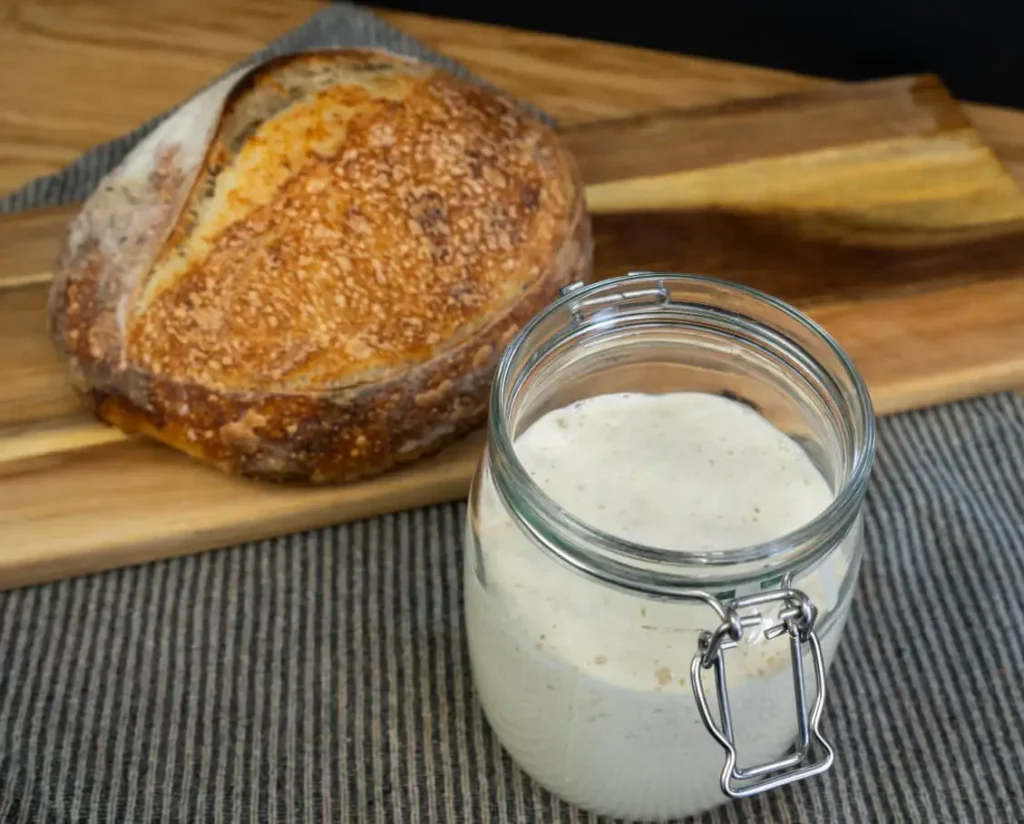
This isn’t quite true. If your starter is established and ready to leaven a loaf of bread (which could be at just 10-14 days), it will work as well as a 200 year old starter. The biggest factor affecting how well a starter will leaven a loaf of bread is how strong and active the starter is when you use it. For best results, use your starter when it’s at or just after its peak. If you find yours is sluggish, check out these troubleshooting tips to get your sourdough starter back to full strength.
Verdict: A strong and established starter will work just as well as a 200 year old one.
Myth #8: Starter needs to be at peak in order to bake with it
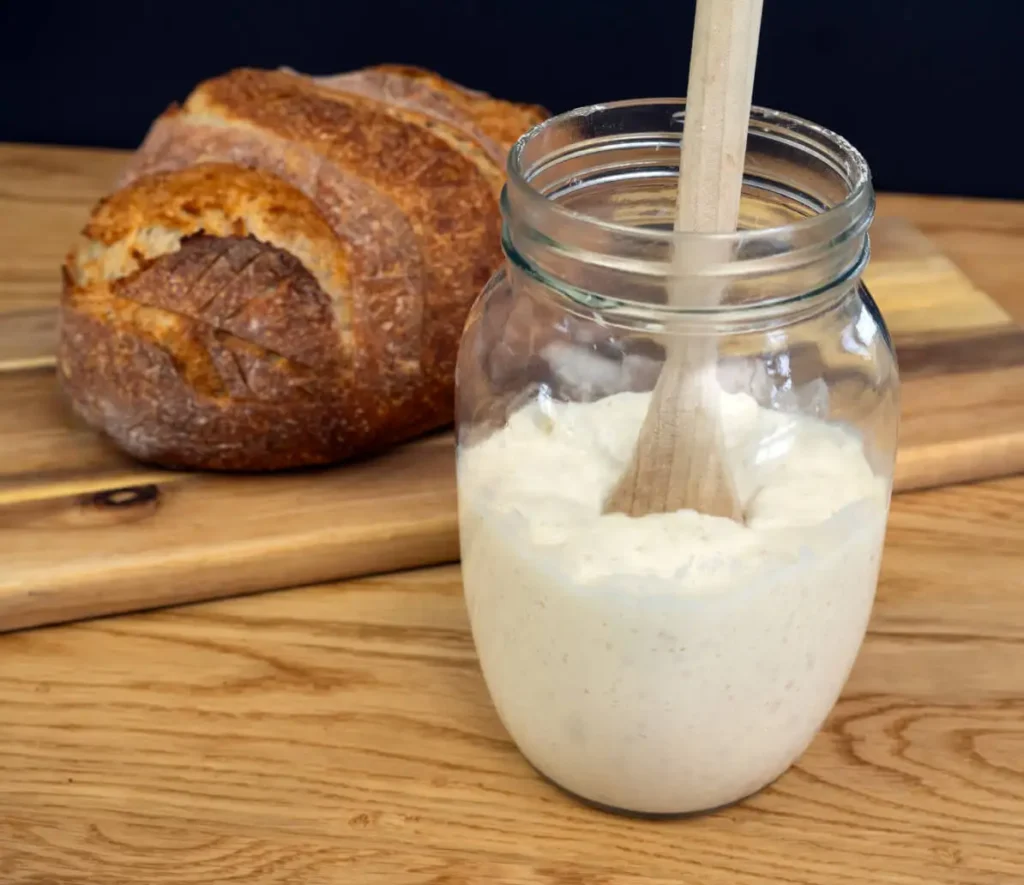
You’ll have more predictable results if you bake with your starter at peak. But you can absolutely bake bread with a starter that has already fallen, or even with discard. A starter that has peaked several hours ago will be less active than a starter at peak. That means bulk fermentation will take longer. Discard is even less active, so bulk fermentation will take even longer One reason you might want to avoid baking bread with discard though, is that it might impart acetone or overly sour flavours to your bread.
The only time I would caution against using your starter to bake with is soon after it was fed. The yeast and bacteria populations wouldn’t have had a chance to grow. You should let it the starter at least double before baking with it.
Verdict: You can bake bread with your starter any time at or after peak.
Myth #9: “Hungry” starter will make dough rise faster
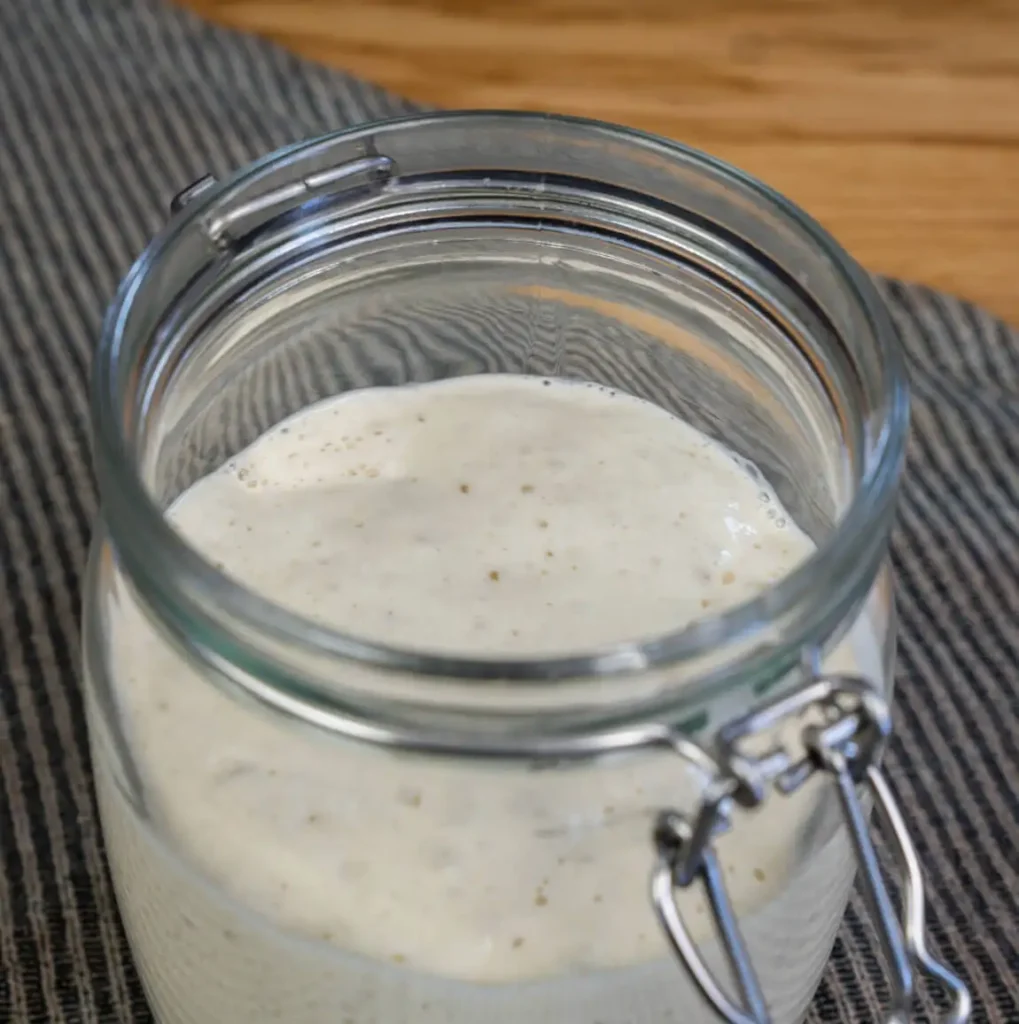
Sourdough bakers sometimes attach human qualities to their starters, such as assuming a starter that hasn’t been fed for a while will quickly gobble up the flour in a bread dough and make it rise faster. A hungry starter isn’t like a person who hasn’t eaten for days finally getting their first meal. Yeasts will metabolize (eat) starches when they’re available, and go dormant when their food source has been exhausted. Yeasts metabolize starch at a roughly constant rate given a certain temperature. Starving a starter doesn’t make the yeast work any faster.
What does make yeast work faster are warm temperatures. Yeast thrives between 70°F and 80°F (21°C and 27°C). The warmer it is within this range, the faster it will metabolize the starches present in flour, and the faster it will produce carbon dioxide to make the dough rise. Too hot though, and the yeasts could die off.
Verdict: Yeast doesn’t eat any faster when it’s starving.
Myth #10: You need to keep your starter in the oven with the light on
While the wild yeasts in sourdough thrive between 70°F and 80°F (21°C and 27°C). That said, your starter will likely acclimatize to your home environment and room temperature. Unless your home is extremely cool, there’s usually no need to do anything special to keep your starter warm. But if you do find your starter is sluggish after leaving it at room temperature for several days and feeding it regularly, you could try some of these tips for keeping your starter warm.
Verdict: Unless your house is extremely cool, your starter will get used to your room temperature.
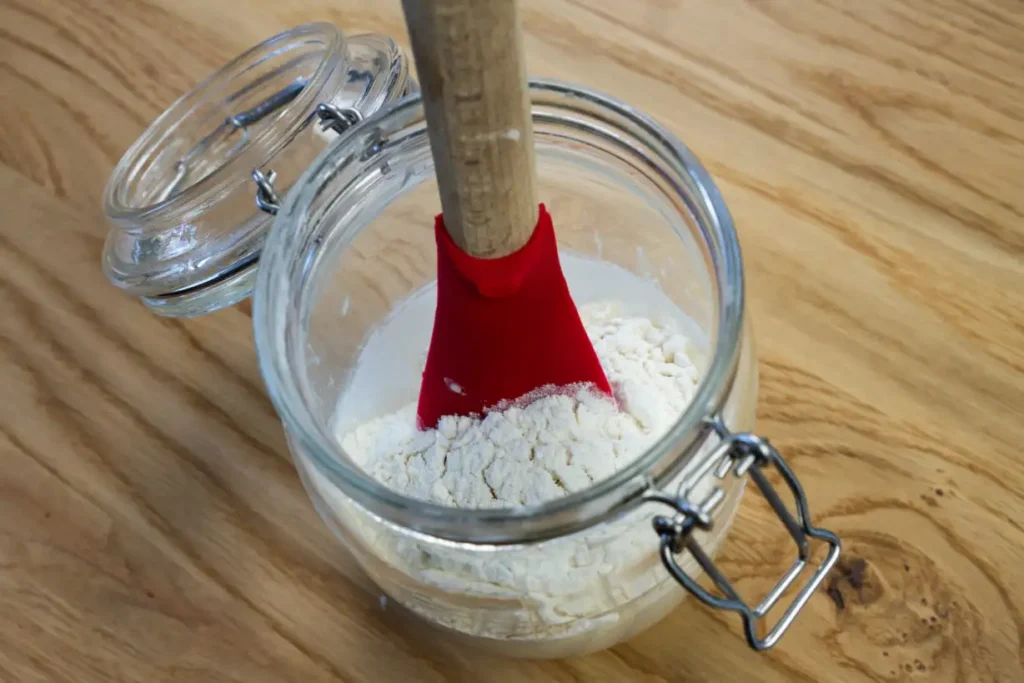
Myth #11: You can’t use any metal with your starter
This is a bit of an old wives tale, which came from a time before stainless steel was a thing. It’s true you shouldn’t use reactive metals like aluminum or copper with your sourdough, but stainless steel is absolutely fine to use.
Verdict: Avoid reactive metals, but feel free to use stainless steel.
Myth #12: You can’t overfeed a starter
It’s important to wait for your starter to reach its peak and maybe fall a little before discarding and feeding. If you were to discard and feed soon after you already fed and discarded, you would be diluting the population of yeasts in the starter. You should aim to feed from peak-to-peak (or as close to it as you can manage) in order to strengthen your sourdough starter. The organisms in starter increase in numbers exponentially so if you discarded and fed before peak don’t sweat it, but try not to do it too often or you could weaken it.
Verdict: Feeding peak-to-peak is the best way to strengthen your starter, don’t feed more often than that.
Myth #13: You should discard half of your starter
You need to feed your starter at least the same (by weight) in flour and water as the amout of starter that’s left in the jar. So if you’re discarding half of your starter at each feed you’ll end up either severely under-feeding your starter, or increasing the size of your starter at each feeding. Let’s say you’re feeding 50 grams of starter with 50 grams each of flour and water. You now have 150 grams of starter. If you discard half next time, you’re now feeding 75 grams of starter with only 50 grams each of flour and water, which is not enough—and this keeps getting worse until you’re only giving your starter about half of what it needs. Unfortunately a lot of starter tutorials on the internet instruct you to do just that, and it’s a common reason for starter going sluggish and not rising.
Myth #14: If you forgot to save some starter, it’s gone forever
You normally leave at least a little bit of starter in the jar after taking some out to bake bread with, to keep the starter going. But if you accidentally used everything in the jar, all is not lost! Is there any starter residue in the jar? Even the tiny bit of starter residue clinging to the walls is likely enough to keep your starter going. Add 50 grams of water to the jar, then close the lid tightly and shake it around to dissolve as much of the starter residue into the water as possible. Then add 50 grams of flour to the jar and stir to combine. Leave it for 24 hours and it’s very likely you’ll find it has doubled!
But what if you washed the jar by accident? If the bread dough you’re making is still raw, you can pinch off a piece of it and feed it as though it’s starter. You can use it to keep your starter going even if there’s salt and possibly other ingredients in it. After all, the same organisms that were in your starter are also in your dough! After you discard and feed a few times there will be almost no trace left of those extra ingredients.
Leave a Reply