
If you’re still measuring with cups, you’re not alone—but you are making baking harder than it needs to be. Switching to a kitchen scale is one of those small changes that levels up everything you bake. It’s faster, more accurate, less messy, and removes the guesswork that comes with measuring ingredients by volume. Whether you’re a beginner baker, or you’ve been baking with your trusty set of measuring cups for decades, this post will show you why weighing your ingredients is a smart move!
Some links in this post may be affiliate links. Read my disclosure policy.
1. It’s More Accurate Than Cups (By a Long Shot)
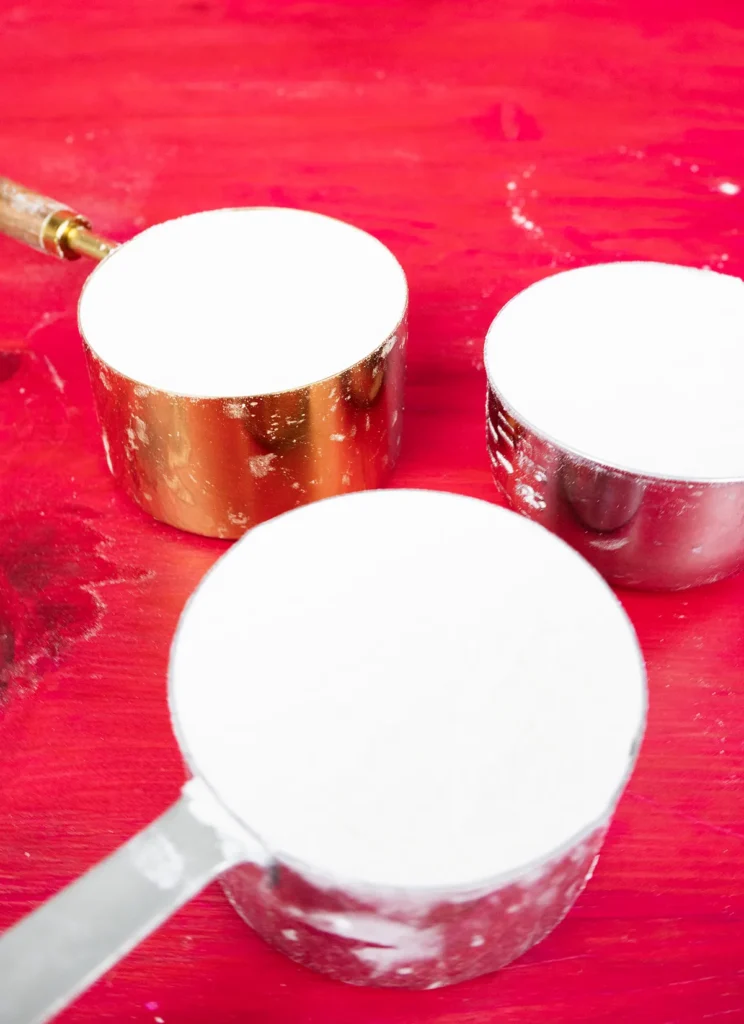
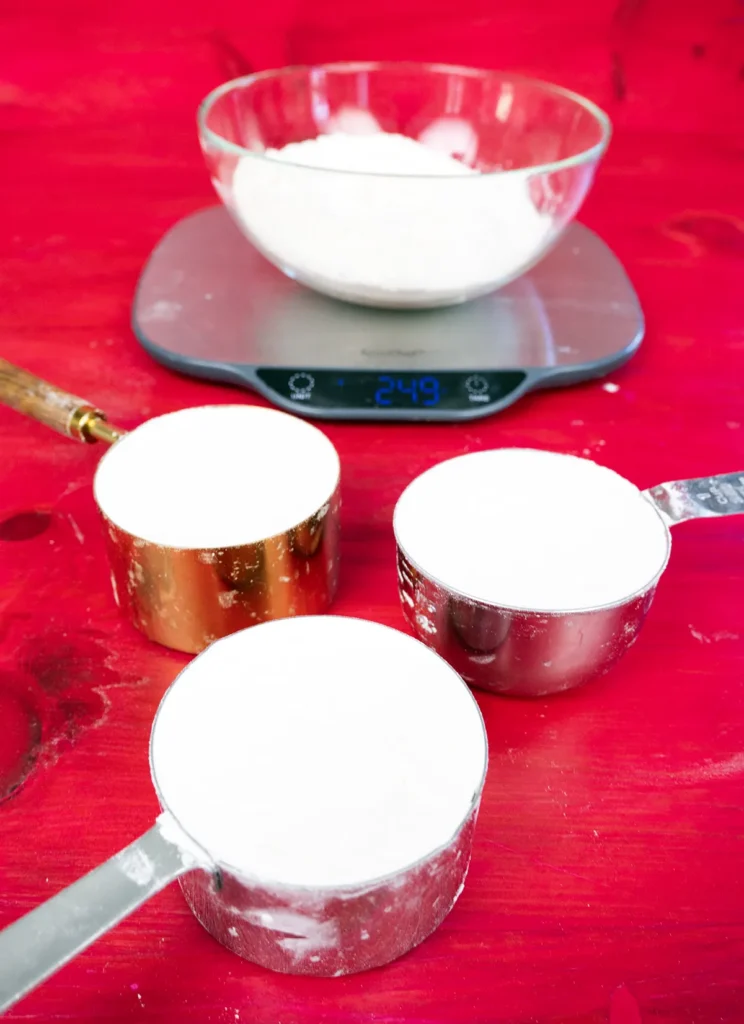
Volume measurements can be wildly inconsistent, especially with ingredients like flour or brown sugar that can be packed loosely or tightly. A cup of flour might weigh 120 grams one time and 145 grams the next, even if you’re careful to scoop and sweep consistently.
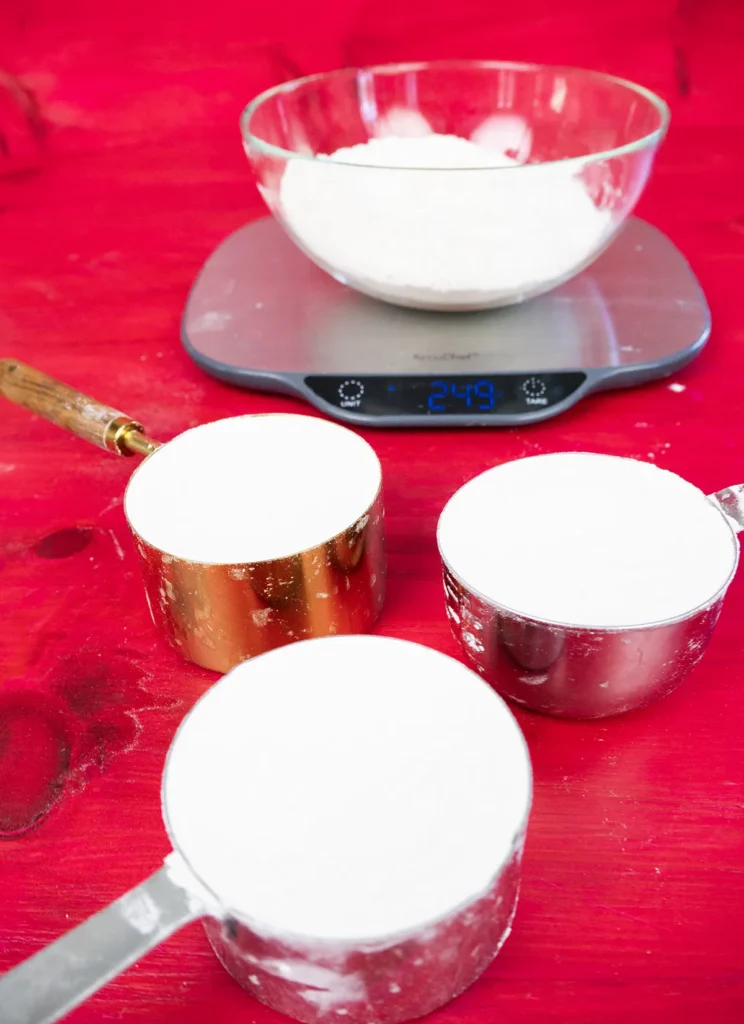
I measured a cup of flour several times using a few different of cups, and I got anywhere from 136 to 152 grams. That’s a difference of almost 12%, which is enough to throw a recipe off. I never got the same weight twice!
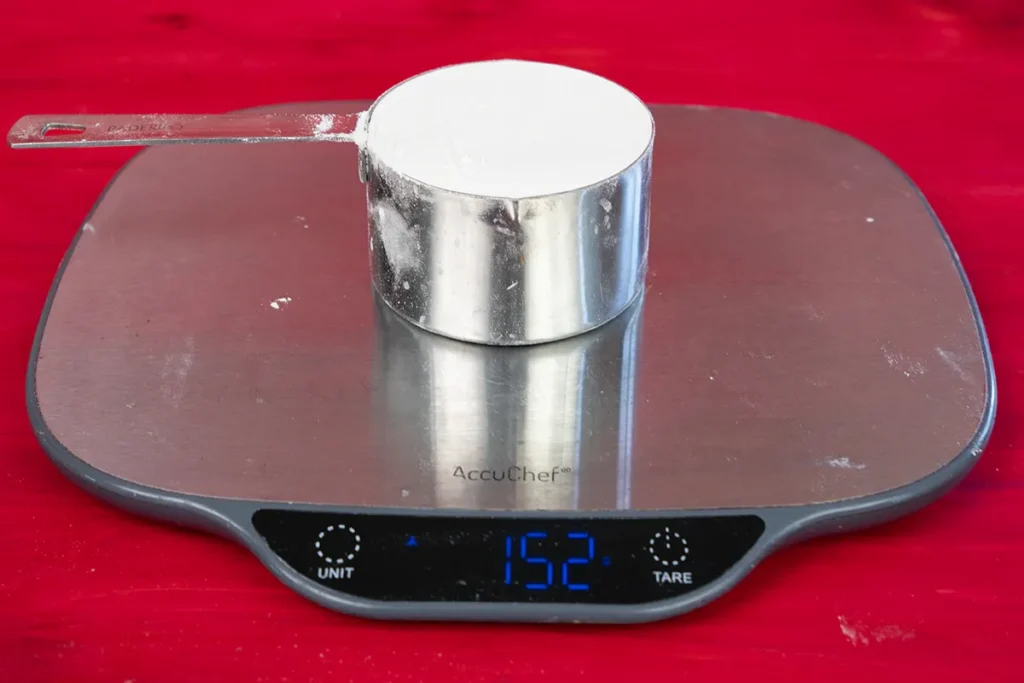
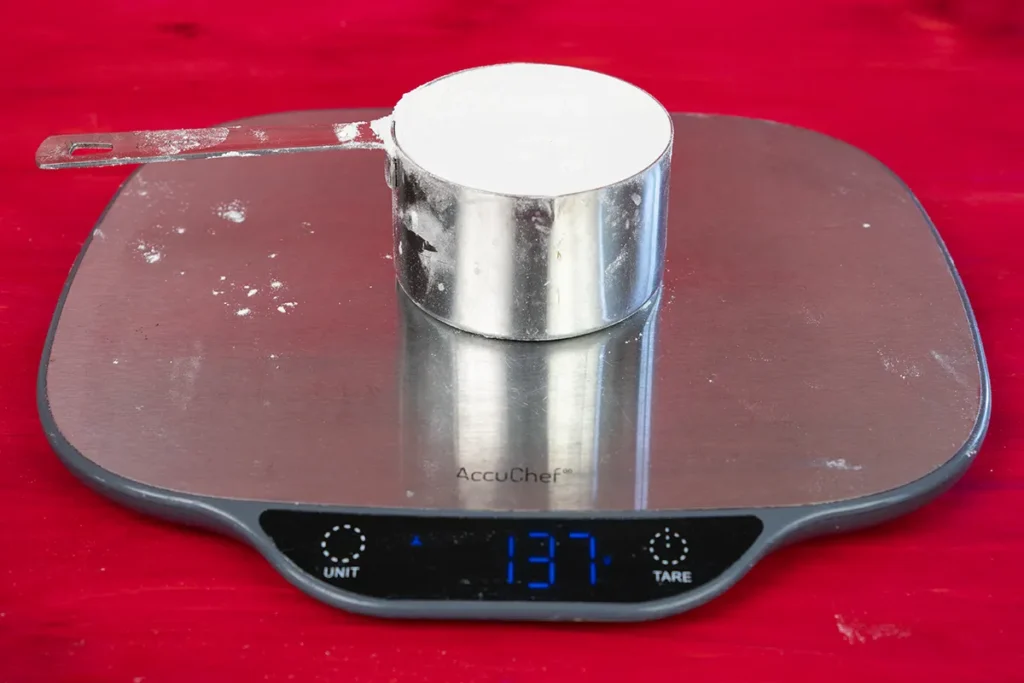
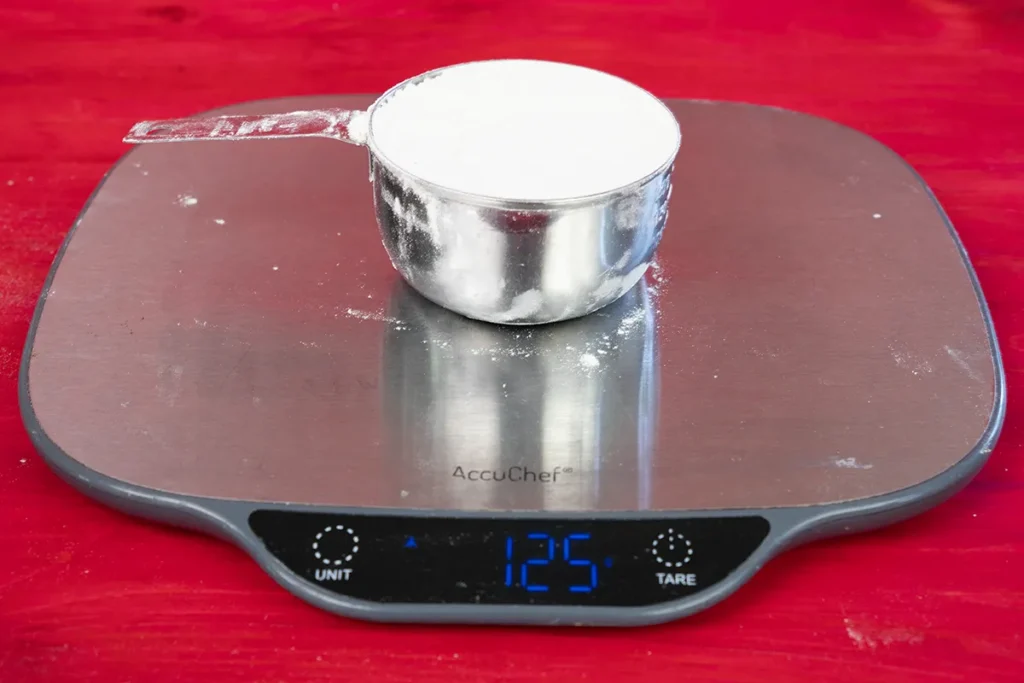
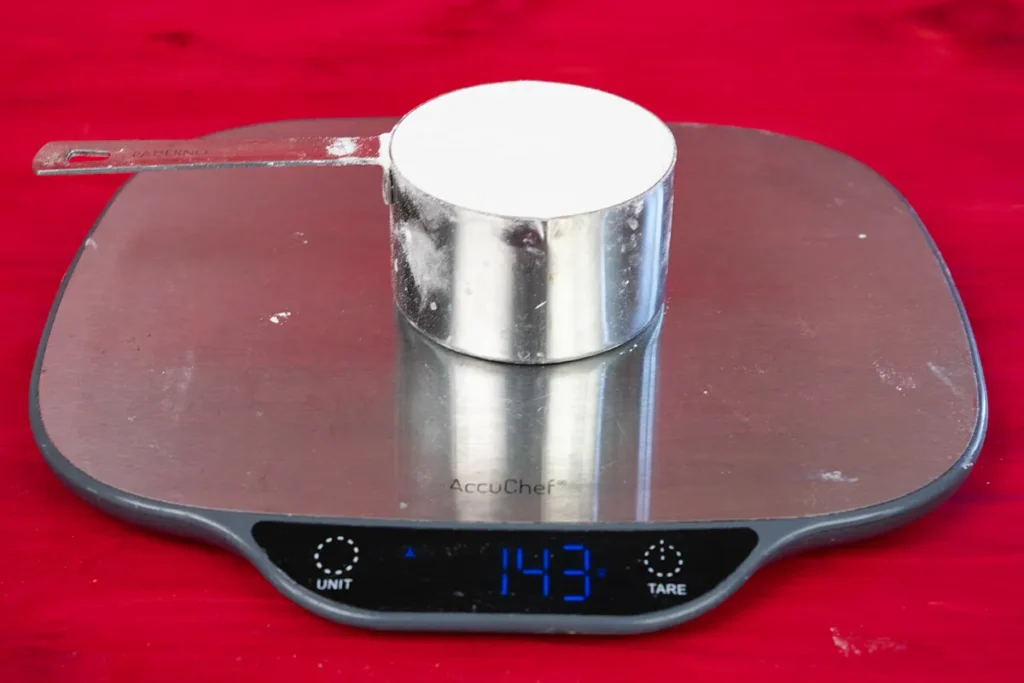
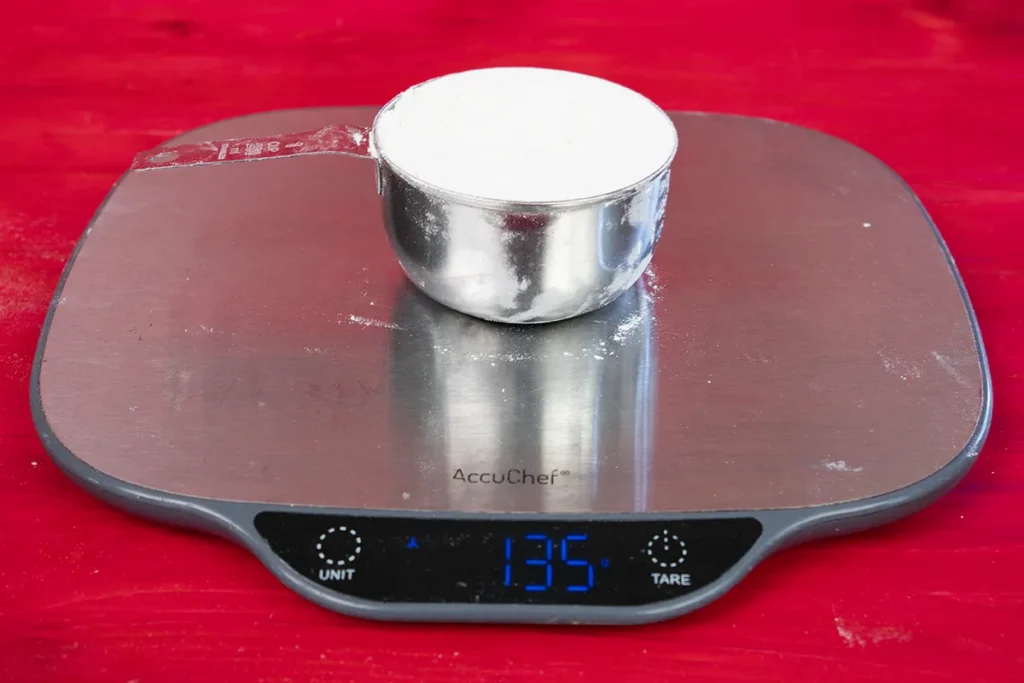
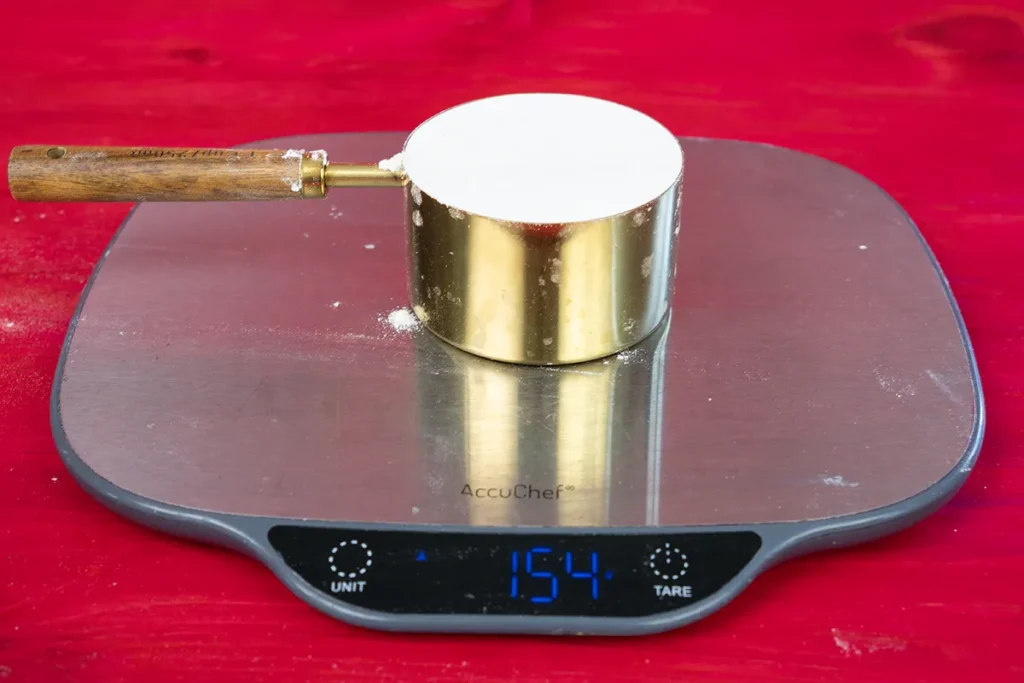
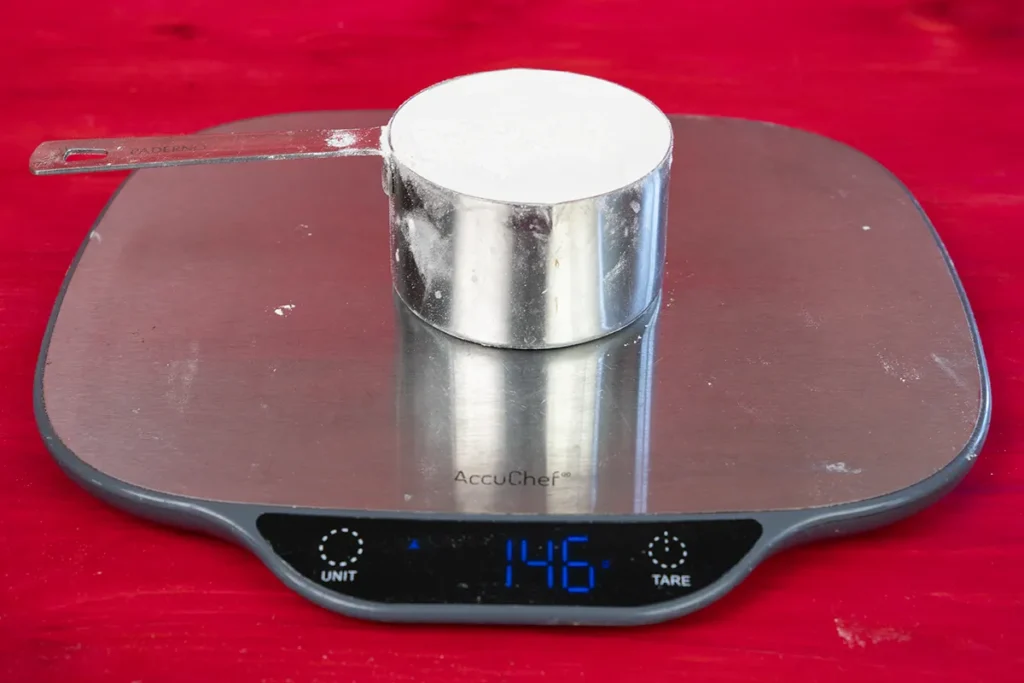
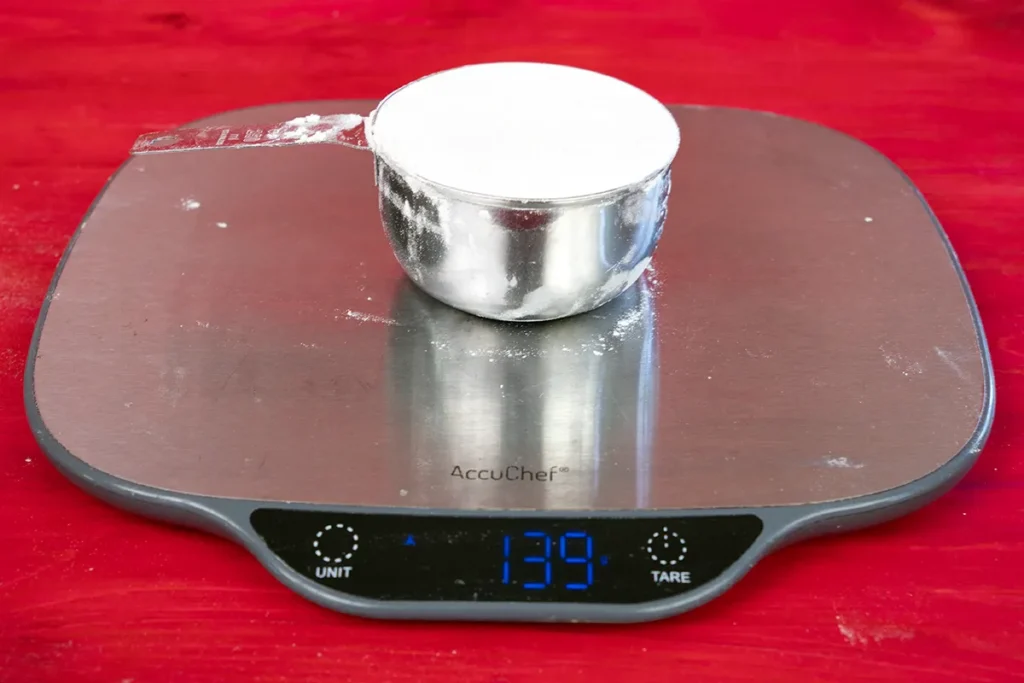
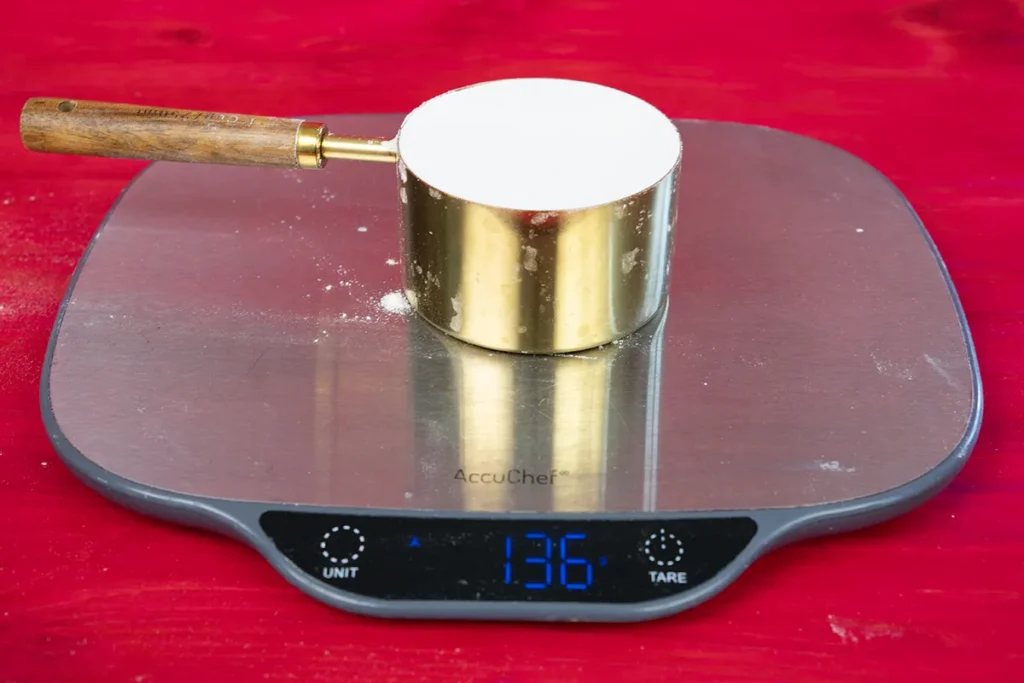
With a scale, 100 grams is always 100 grams. It doesn’t matter how tightly packed or loose your ingredient is, you can be confident you’re getting the correct amount every time.
With a scale, 100 grams is always 100 grams. No guesswork, no surprises, just reliable results. Measuring flour accurately by weight gives you far better control over your bake.
2. Consistent Results, Every Time
Scales help maintain exact ingredient ratios every time you make a recipe, which means your cookies won’t suddenly turn out dry one day or your cakes unexpectedly sink. Some recipes like sourdough bread may still require adjusting to your particular environment. Even then it’s helpful to have accurate quantities weighed in grams to start with, so you have a good idea of how you should adjust. If a recipe doesn’t work out, starting with accurately-measured ingredients is one less variable to think about, making it easier to troubleshoot what went wrong.
3. Scaling and Converting Recipes Is So Much Easier
Ever tried to halve 1⅓ cups? Or scale up ⅔ of a cup by 1.5? Weighing ingredients in grams means you can scale recipes up or down with ease without doing any fraction math.
4. Measure Both Liquids and Solids the Same Way
You can measure water, milk, butter, and dry ingredients all on the same scale without switching between measuring glasses for dry ingredients and measuring cups for liquids.
5. It’s Easier to Portion Batches
Whether you’re making dinner rolls or multiple cake layers, weighing it out ensures everything bakes evenly and looks the same.
6. Fewer Dishes & Faster Cleanup
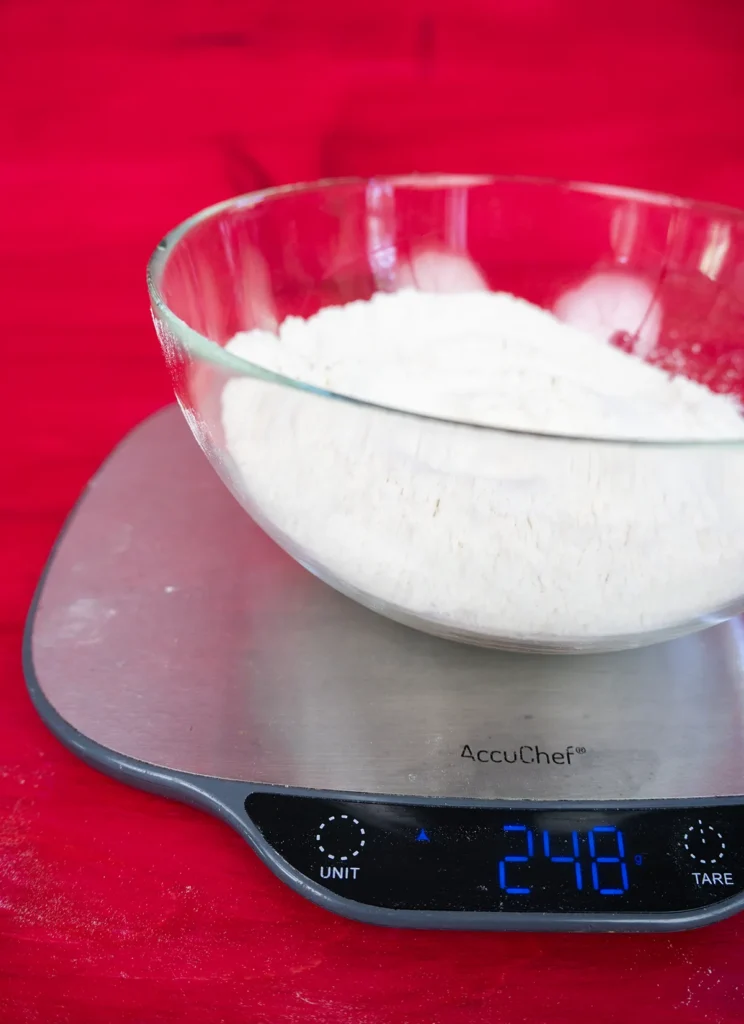
No messing around scooping flour, sugar, and other ingredients from their package to your bowl. Just pour things directly into your bowl as you weigh!
7. Eliminates Regional Differences in Volume Measures
Did you know that cups aren’t the same in every country? Following a recipe written in cups from the UK might not work out as intended in the US or Canada. But if you’re using a scale, a gram is a gram no matter where you’re from or where the recipe was written and tested.
Differences in Volume Measurements Around the World
| Volume Measurement | US | Canada | UK (Imperial)** | Australia |
|---|---|---|---|---|
| cup | 240 mL | 227 or 250 mL* | 284 mL | 250 mL |
| tablespoon | 14.8 mL | 15 mL | 17.7 mL | 20 mL |
| teaspoon | 4.9 mL | 5 mL | 5.9 mL | 5 mL |
| fluid ounce | 29.6 mL | 28.4 or 30 mL* | 28.4 mL | 30 mL |
| pint | 473 mL | 568 mL | 568 mL | 570 mL |
| quart | 946 mL | 1.14 L | 1.14 L | 1.14 L |
| gallon | 3.79 L | 4.54 L | 4.54 L | 4.54 L |
*Canada is a bit of a wild card. Some older recipes might use British measurements. Newer measurements either align with US sizes, or cups are rounded to 250 mL depending on the source.
**In the UK, most modern recipes have transitioned to metric, but many older recipes use imperial.
8. It’s Faster & More Efficient
With a scale, all you need to do is zero out (tare) your container and add all of your ingredients to it. No hunting down measuring cups or wiping them down between sticky ingredients.
9. It’s Way Easier to Measure Sticky Ingredients
Honey, molasses, and other sticky ingredients are a pain to scrape out of measuring cups. Weighing ingredients directly into your measuring bowl means never having to deal with that ever again!
10. It’s Easier for Kids & Beginner Bakers
Numbers on a scale can be simpler for new bakers to understand, instead of dealing with fractions of cups or spoons.
11. It’s Essential for Advanced Baking
Using baker’s percentages or tweaking hydration in bread dough is only practical with weight measurements. And if you’re tackling any recipes that have a reputation for being finicky (hello, macarons!) the last thing you want to do is introduce more variables like inaccurately-measured ingredients.
12. It Makes Tweaking Recipes a Breeze!
Let’s say you’re down to your last 435g of flour. If you know the baker’s percentage formula, you can easily recalculate every other ingredient and still get a perfect bake. Try doing that with cups!
13. It’s a Budget-Friendly Baking Upgrade
Dollar-for-dollar, a digital kitchen scale is the best purchase you can make to improve your baking. You can get a decent inexpensive kitchen scale that measures in grams, or splurge on a fancier scale with a secondary plate that measures fine increments of 0.1 grams (useful for weighing salt or yeast).
It’s Time to Ditch Your Measuring Cups
If you’ve ever wondered why your banana bread is amazing one week and flops the next, or why your cookies spread out way too much even though you followed the recipe exactly, it might come down to the way you measured your ingredients.
Switching to a kitchen scale is one of the easiest and least expensive ways you can level up your baking. It’s faster, cleaner, more accurate, and honestly…once you try it and get used to it, there’s no going back to cups. Go ahead—tuck that measuring cup set in the back of the drawer, and treat yourself to a spiffy digital scale. Your future bakes will thank you!
Leave a Reply