
Who knew butter could taste even better than it already does? Browning butter caramelizes its milk solids, giving it a delicious, nutty, and rich taste that’s perfect in any recipe that uses butter. Best of all, it’s really simple to make so it’s a skill that’s well worth having in your baking tool belt.
Some links in this post may be affiliate links. Read my disclosure policy.
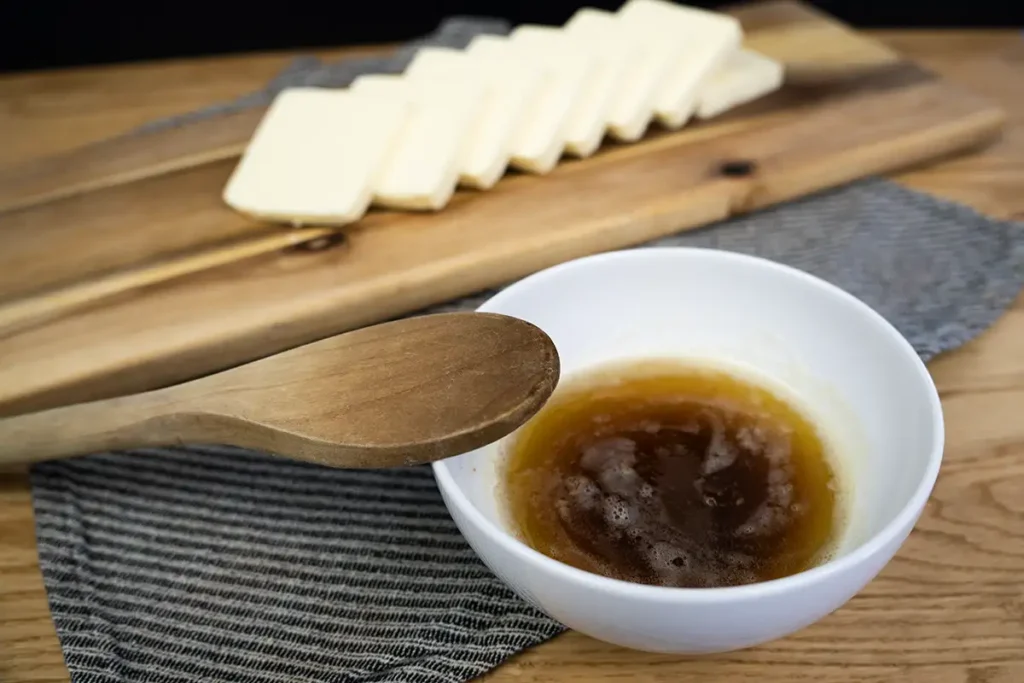
What is Brown Butter?
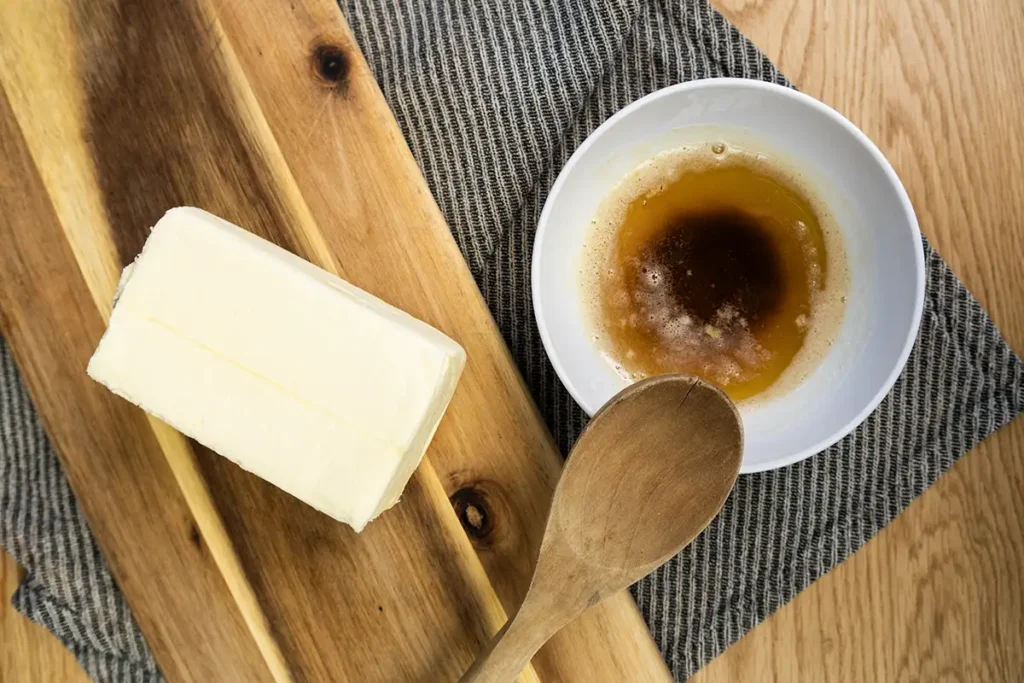
Butter is essentially an emulsion of butterfat, milk solids, and water. Brown butter is butter that has been heated until its water content evaporates and the milk solids sink to the bottom where they toast and caramelize. It’s a great way to amp up the flavour of any recipe that calls for butter. The process of caramelizing the milk solids adds an unbelievable dimension of flavour to the butter, as well as filling your kitchen with sublime nutty, caramel, and intense buttery aromas. Because the flavour of brown butter is somewhat nutty, it’s called beurre noisette in French—so tuck that factoid into your back pocket so you can sound all fancy next time you’re serving up your baked goods!
Ingredients You Need to Make Brown Butter
- Unsalted Butter is the best option, so you can easily control the salt content in whatever recipe you’ll be using it in. If you only have salted butter that will work, but make sure to compensate by leaving out some or all of the salt in the recipe you’re using the brown butter in.
- Powdered Milk is optional, but it’s an easy and wonderful way to bump up the nutty caramel flavours in your brown butter. Powdered milk is basically just milk solids, and caramelizing milk solids is what gives browned butter its delicious flavour. It’s up to you how much powdered milk you use, but I recommend adding no more than 15% of the weight of butter.
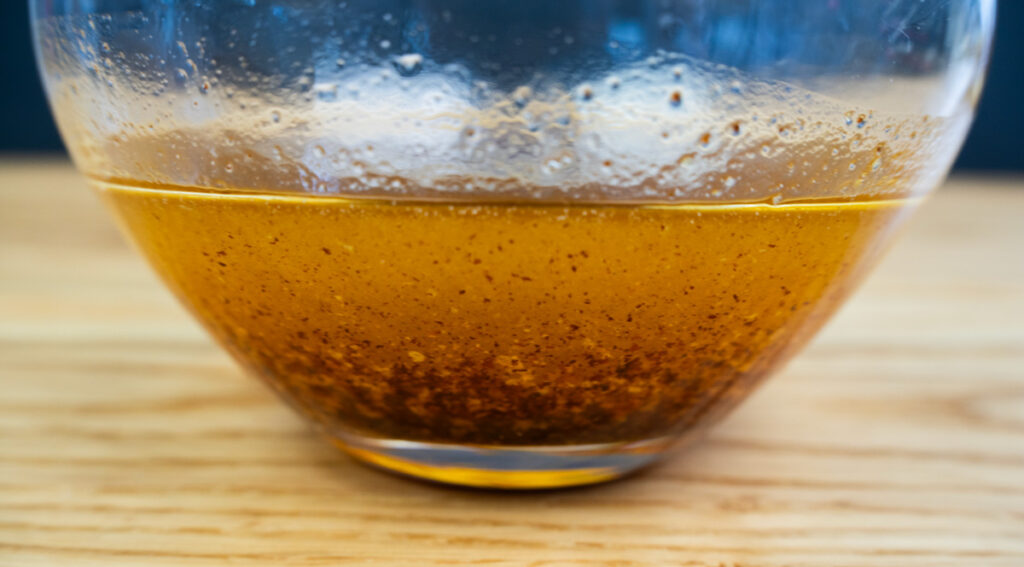
Equipment for Making Brown Butter
You don’t need any special equipment to make this simple recipe, and probably already have everything you need in your kitchen!
- A light-coloured pot or pan makes it easy to tell when the butter has browned. I like using this stainless steel frying pan by All Clad, but an enameled cast iron skillet like this one would also work very well. I prefer using a skillet or frying pan as opposed to a pot or saucepan so it’s easier to see the butter, but if all you have is a pot you can absolutely use that! Ideally your pot or pan should have a heavy bottom to distribute the heat evenly
- A heatproof spatula or whisk to keep the butter moving as it heats up, to prevent it from burning.
- A heatproof bowl or other container to transfer the browned butter to once it’s done browning.
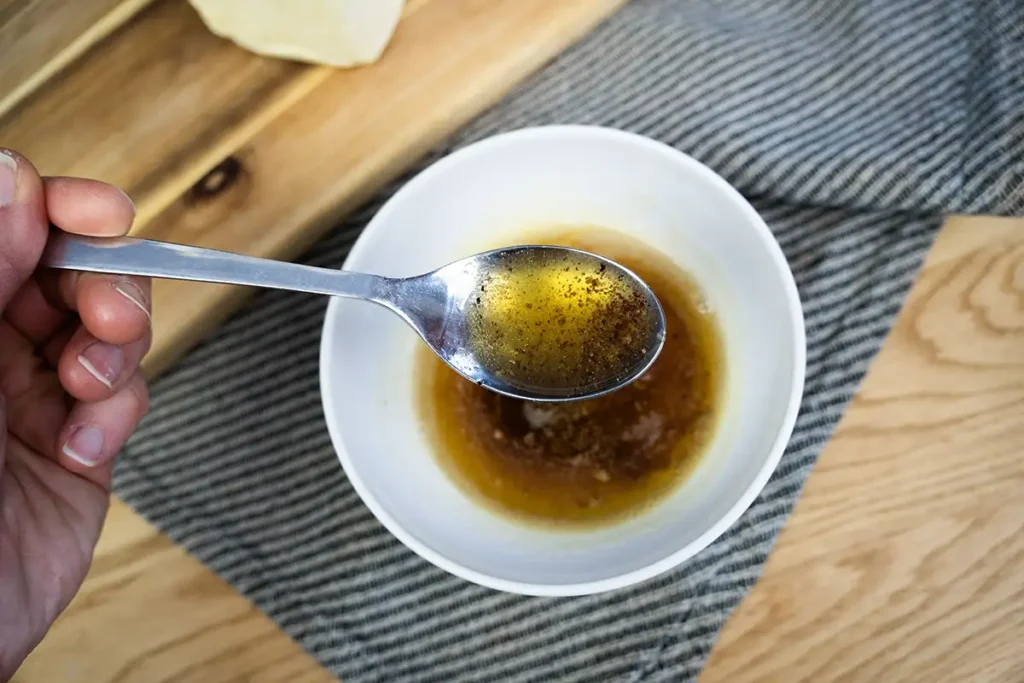
Tips for Success
- Don’t walk away from the stove! The milk solids in butter can easily burn. Within only a few seconds you can go from delicious brown butter to a disgusting burnt mess, so keep a careful eye on it the entire time. Unfortunately there’s no saving burnt butter, so if that happens it will have to be thrown out.
- Stir or whisk constantly. You want to stir at all times to keep the butter moving. Make sure none of the milk solids stay at the bottom of the pan for too long, potentially burning.
- Heat slowly and evenly. Use a heavy-bottomed pan that will distribute the heat evenly, preventing hot spots that might burn the milk solids. Avoid using high heat. The most foolproof way to brown butter is over medium or medium-low heat. Slow and low is the key!
- Use a light-coloured pan, such as stainless steel, aluminum, or enamelled cast iron. This allows you to easily see when the butter has browned enough. In a dark-coloured pan, such as cast iron or most nonstick pans, it’s more difficult to see when the butter is done browning.
How to Make Brown Butter
Step 1
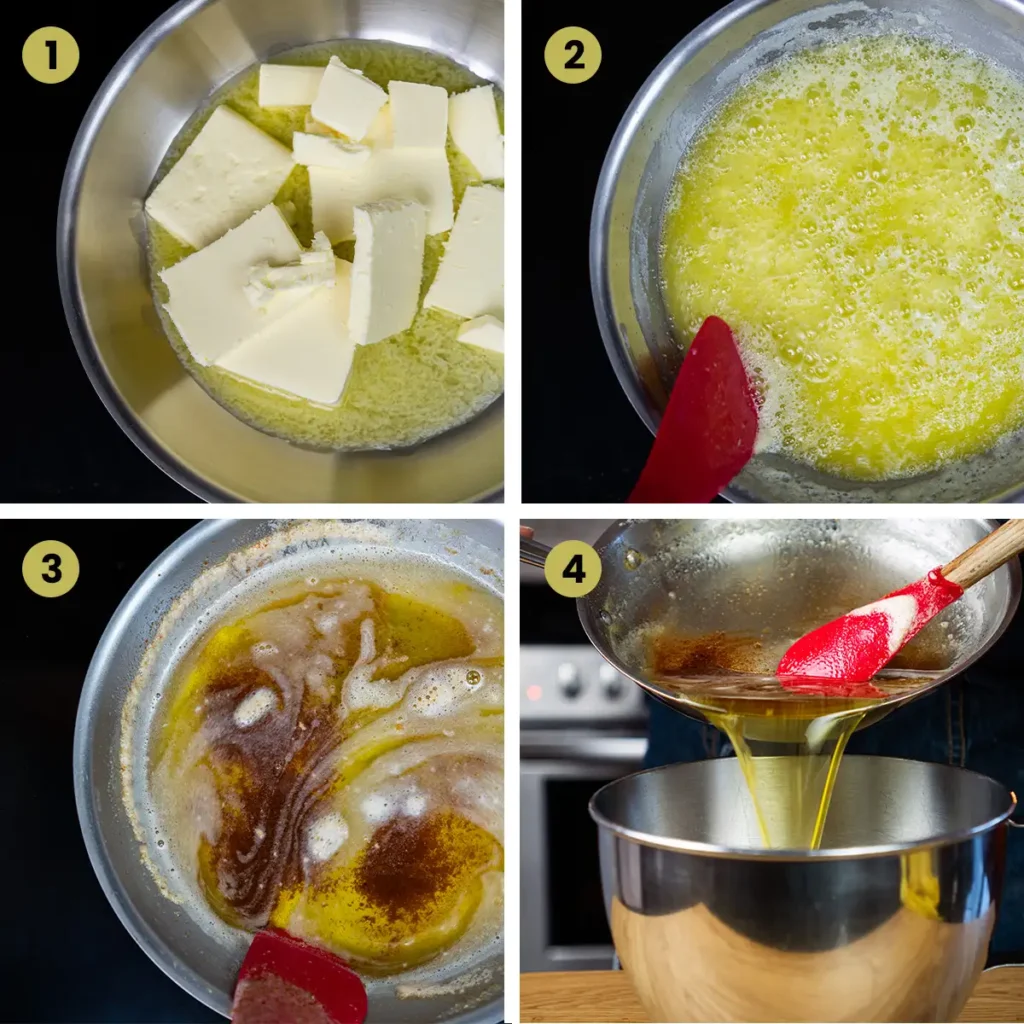
Cut the butter into chunks, and melt it in the pan over low heat. If you’re using powdered milk add it to the pan while stirring, as soon as the butter is all melted. The powdered milk will want to stick to the bottom of the pan and start burning, so it’s very important to stir while adding it.
Step 2
Increase the heat to medium or medium-low. Stir constantly while heating the butter. It will bubble and sizzle as its water content evaporates, and it may get very foamy. Keep stirring and watching for signs that the milk solids are browning.
Step 3
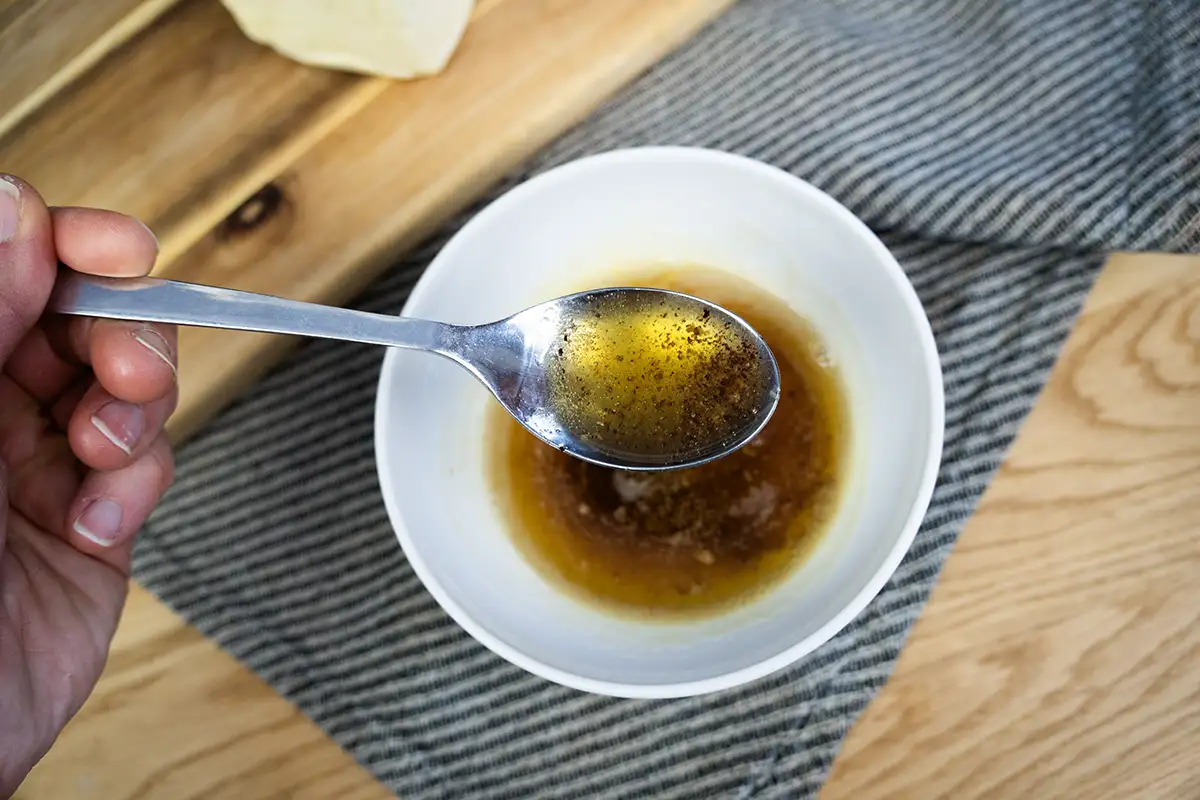
Once the water evaporates the milk solids will start to caramelize. Keep a very close eye on it. Once you see golden brown specks in the butter and it’s smelling buttery and nutty, immediately take the pan off the heat.
Step 4
Pour the brown butter into a heatproof bowl or other container to stop it from cooking further. Make sure to scrape off all of the browned bits from the bottom of the pan—that’s where all the flavour is, after all! If you left the butter in the pan, there’s a chance that the residual heat from the pan would burn it.
Recipes that use Brown Butter
How to Substitute Brown Butter in a Recipe
You can substitute brown butter in any of your favourite recipes that use butter! Just keep in mind that during the process of browning butter, its water content will evaporate out. Water makes up about 16-18% of the content of butter, so after browning you’ll have about 82-84% of the butter you started with. In general, you’ll need to compensate for this loss of moisture and overall quantity in order to maintain the hydration or consistency of your recipe. There are two ways you can do this:
- Use the amount of butter the recipe calls for. Weigh it before browning. After browning weigh it again, and add water or milk to bring it back up to its original weight. This is a good method to use for anything that produces a wet batter such as cake or muffins.
- Use at least 20% more butter than the recipe calls for, and measure out what you need after browning. This the best method to use if you need to cream the butter with sugar, or any recipe that calls for melted butter.
That said, sometimes you do want to remove the moisture from the butter before using it, as is the case in a lot of sourdough discard recipes. Doing this is a great way to remove some of the liquid from a recipe to accommodate for the discard being added, which usually contains about 50% water.
Can I use Browned Butter in a Recipe that uses the Creaming Method?
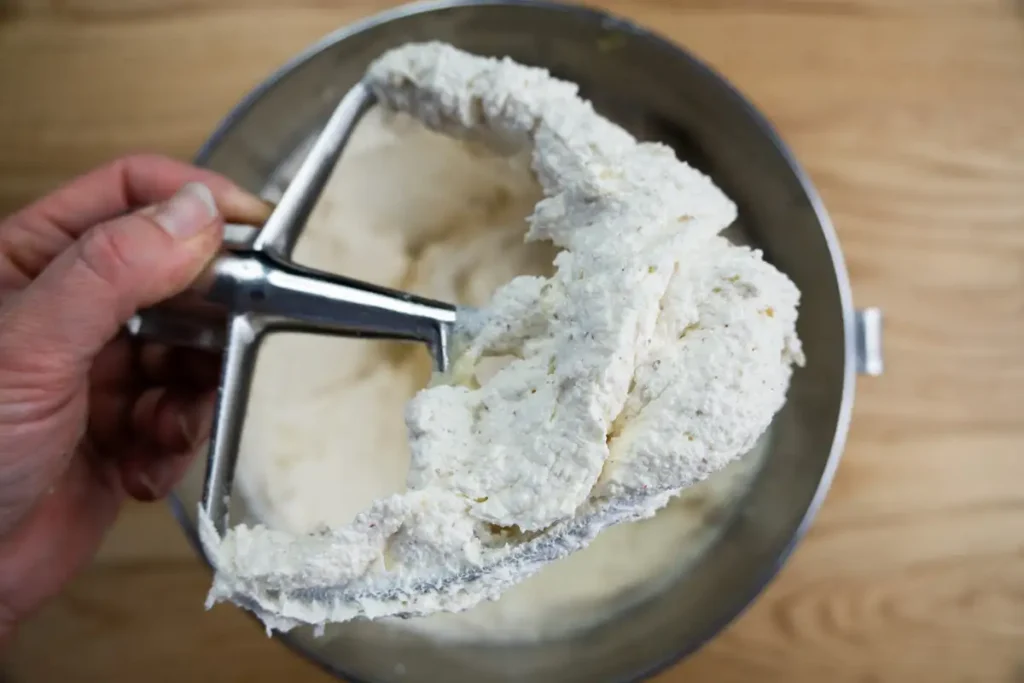
Absolutely! I recommend starting with more butter than the recipe calls for, and measuring out what you need after browning. This will ensure your butter creams properly. After browning, just pour it into your mixing bowl and let it cool at room temperature until it thickens and almost solidifies. The texture should be similar to regular room temperature butter. Then add the sugar(s) and beat until light and fluffy as you normally would.
How to Store Brown Butter to Make it Ahead
Brown butter can be stored in the fridge in an airtight container for up to 5 days, or in the freezer for about 3 months. You’ll want to either melt the butter or let it come to room temperature before using, depending on what your recipe requires.
How to Brown Butter
Ingredients
Equipment
Method
- Add the butter to a light-coloured frying pan or skillet and melt over low heat.
- If using powdered milk, add it as soon as the butter is all melted. The powdered will immediately want to stick to the bottom of the pan and start to burn, so stir constantly while adding it.
- Increase the heat to medium or medium-low, and keep stirring as the butter cooks. It will bubble, crackle, and foam as the water evaporates out. As soon as you see brown specks and it smells nutty and very buttery, take the pan off the heat. Once the butter starts browning it could burn quickly, so it's important to keep a close eye on it the entire time.
- Carefully pour the browned butter into a heatproof bowl or other heatproof container to stop it from cooking further.
Notes
- I listed 100 grams of unsalted butter in the ingredient list, but you can make any amount of browned butter you need to as long as your pan is large enough.
- This recipe calls for 10 grams of powdered milk as an optional way to amp up the flavour of the browned butter. This works out to 10% of the weight of the butter, but you can use up to 15% if you wish.
Leave a Reply